Location Visit Sheet
Programme Title: A Bullet for the Preacher
Writer: Patrick
Producer: Dennis
Director: Stefan, Damola
Date: 9/1/17
|
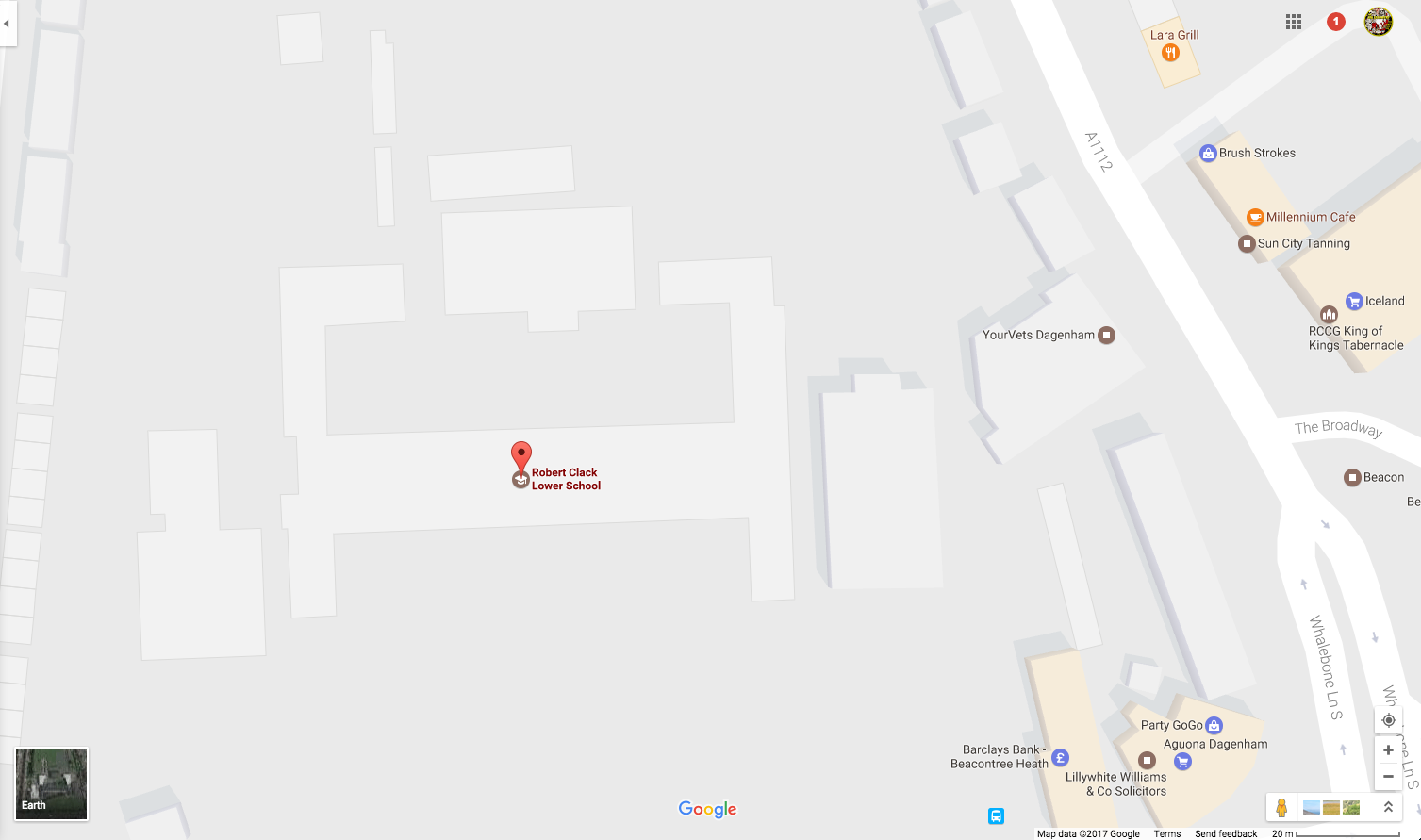
Rough Sketch/Explanation of location and key points to note
Access to location via:
Name and number of location contact:
|
Health and Safety Issues to note:
|
Potential Filming Problems :
● Lighting
● Pedestrians and animals
● Students
● Disruptive sounds
|
Additional Notes: (map of area/weather forecast etc)
 |
Friday, 13 January 2017
Location Visit

Risk Assessment
Risk Assessment
Group Members: Location: Robert Clack School
Hazard
|
Person(s) at Risk
|
Likelihood of Hazard
1 – Extremely Unlikely
5 – Extremely Likely
|
Severity of Hazard Outcomes
1 – Very Low Risk
5 – Very High Risk
|
Risk Level
(Likelihood + Severity)
2
|
Measures to Take to Manage Risk
|
Risk Managed?
Y/N
|
Falling Over during the running scene
|
Patrick
|
2
|
1
|
1.5
|
Clear the running path
|
Yes
|
Knocking over someone during running
|
Others
|
2
|
2
|
2
|
Filming the scene when there is no one around.
|
Yes
|
Contacts
Emergency Service: 999 and 111
Robert Clack School: 020 8270 4222
Treatment
Treatment
|
Group Roles
Cinematography: Stefan
Mise-en-scene: Patrick Dennis
Sound: Damola
Editing: All of us
|
Title: A Bullet for The Preacher
Tag Line:
|
Synopsis:
At the start, a church is shown. It then switches to inside the church, using the camera technique; graphic match. The priest is preaching to the audience about his prophets. Another graphic match happens and he is running a from the FBI agent. The priest finds himself in a corner and commits suicide by shooting himself in the head. This leaves the audience in shock as they are unsure why he is running from the FBI and getting shot in the head. This will leave a positive effect on the short film. We will use different types of camera shots such as long shot, medium shot and a close up, even a pov for the priest so we can see the audience.
|
Key Genre Conventions:
|
Costume and Props
Costumes and Props
Character Name: Dominic Banks (Patrick Healey)
| |
Costume:
At beginning:

Black shirt/ black trousers
White collar would just be paper
In Flashforward:
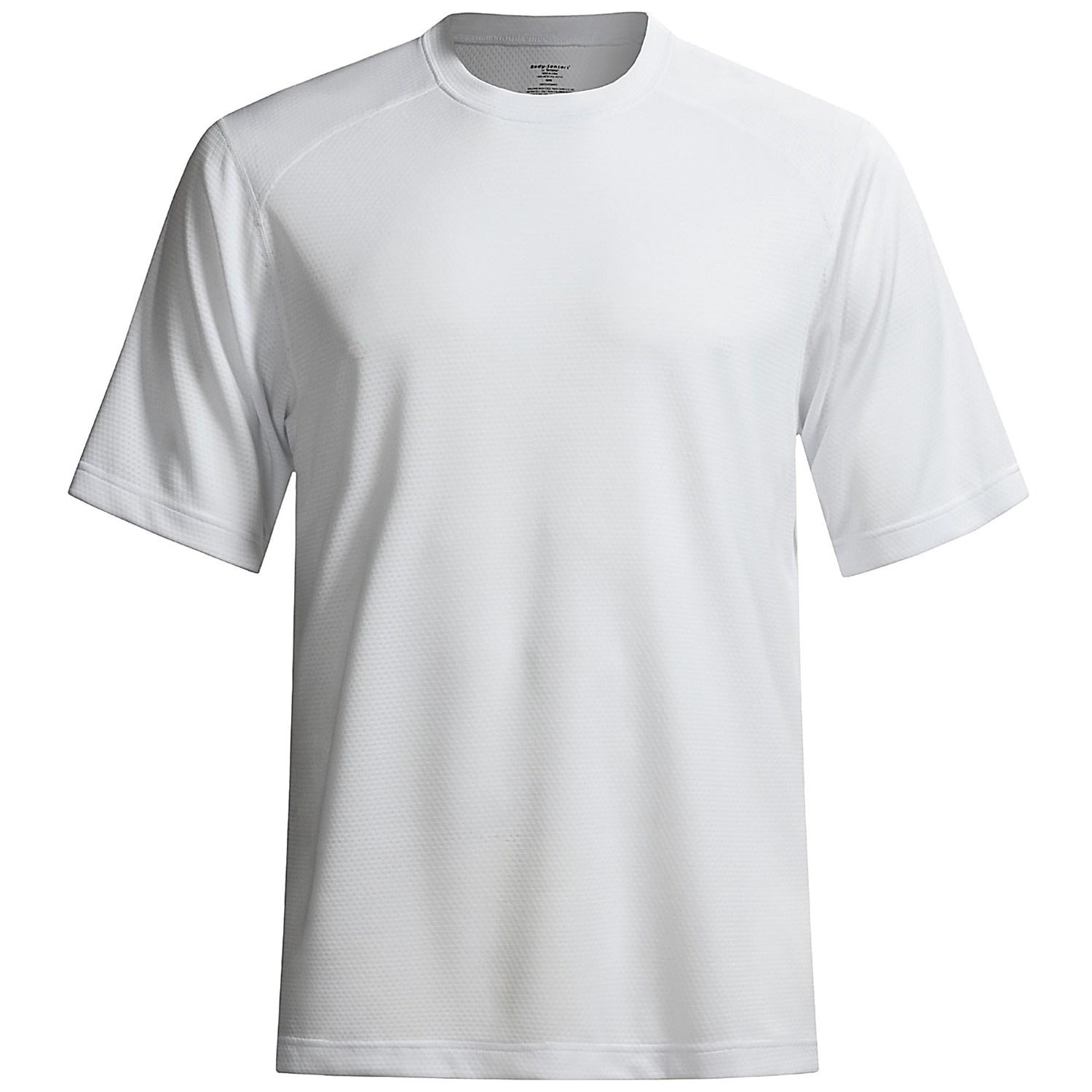
White T- Shirt covered in fake blood

Jeans
|
Props:
At Beginning:

Bible
In Flashforward:

Prop gun

King of Diamonds card with the words "Proverbs 16:12" written on it
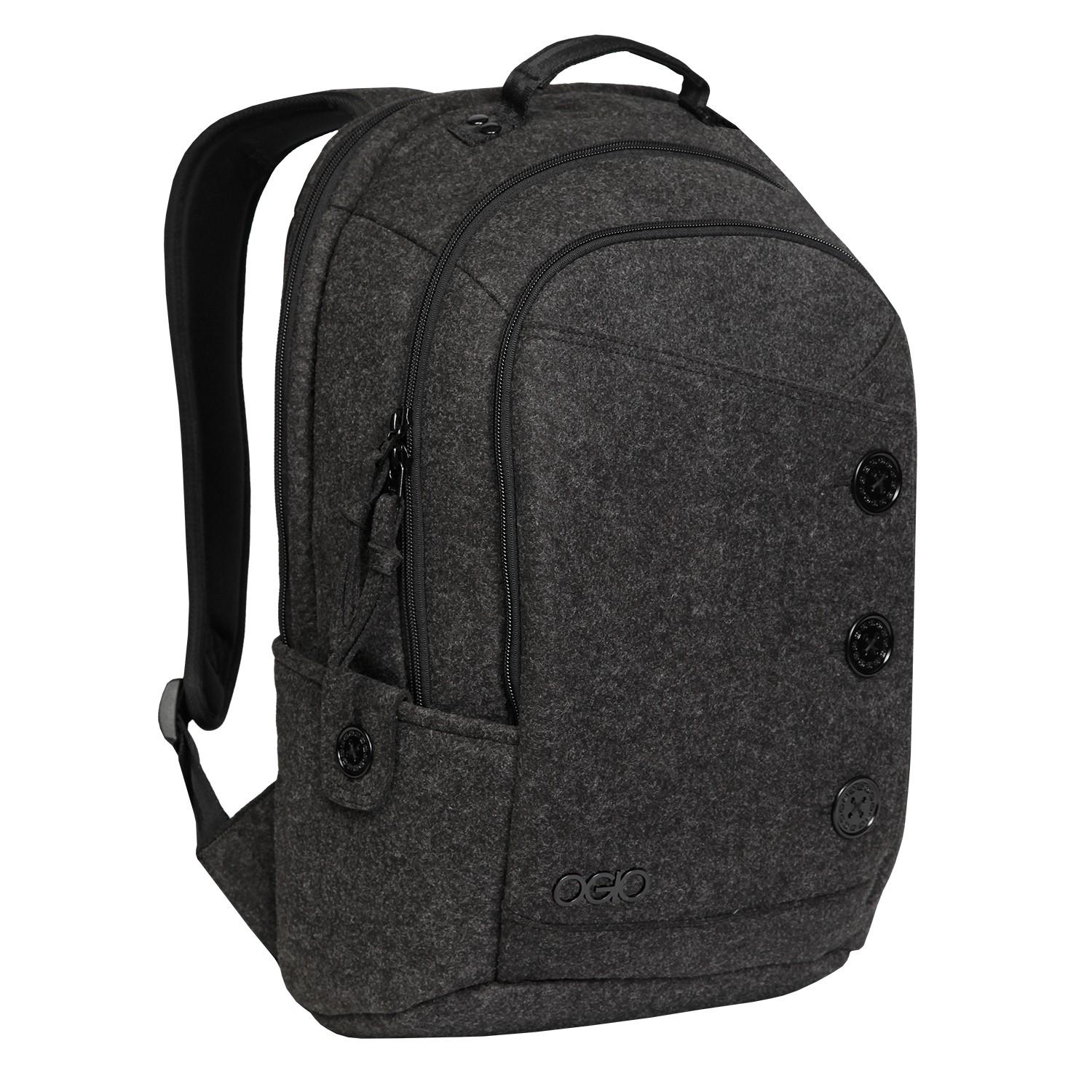
Backpack or any other bag
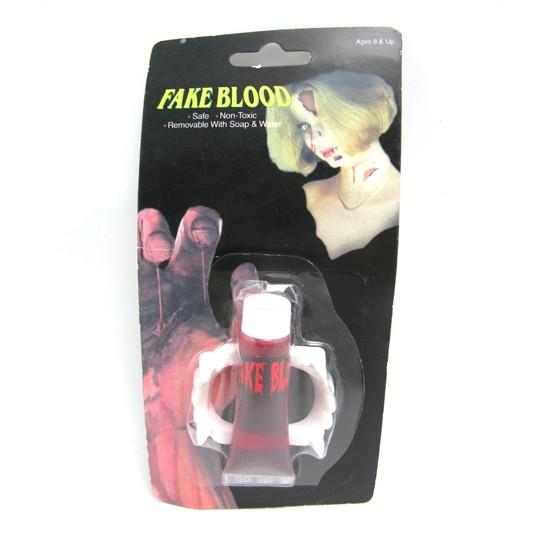
Fake blood
|
Character Name: FBI Agent
| |
Costume:

Suit with preferably a black tie but tie can be any colour.

Suit Trousers

I.D. Card
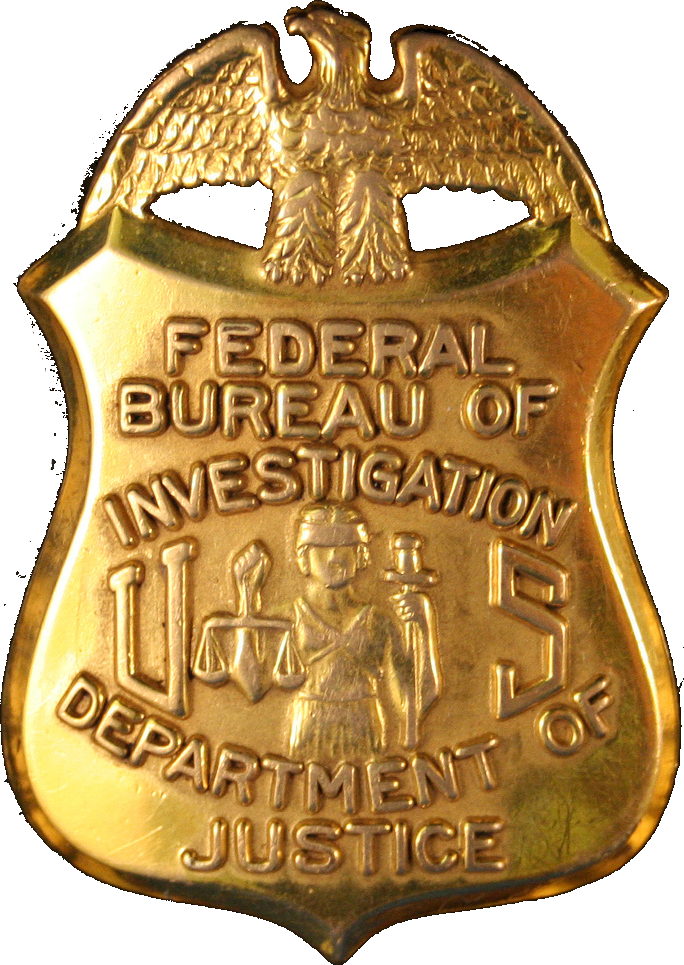
Badge (not needed but can be used)
|
Props:
Prop gun
|
Tuesday, 10 January 2017
Colour and Lighting
Colour and Lighting
The first use of colour was seen in films such as Voyage a Travers L'Impossible in 1904. This was produced by a pioneer called George. They hand-printed each frame, so they are all still images.
The next development was the introduction of two-stripcolor using only green and red, such as the film, The Mystery of the Wax Museum, 1933. After that, the introduced the first full three strip Technicolor. This was introduced by Becky Sharp in 1935. From 1930's to the 1940's, colour represented fantasy and spectacle, while black and white represented reality. For example the film Wizard of OZ showed colour as a fantasy in the film. Colour also has a Denotation and Connotation. Denotation is the literal description of an idea, concept or object. Connotation is what we associated with a particular idea, concept or object. For example the denotation of the colour red would be an red coloured item, while the connotation of the colour red could be: Enemy, danger, death, love, anger and hot.

 Lighting
Films use this to exaggerate or maybe give an illusions during the films. There are many different types of lighting. Firstly, the key light is the brightest and most influential. Secondly, the back light helps counteract the effect
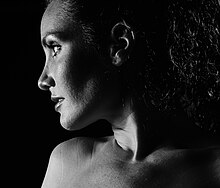
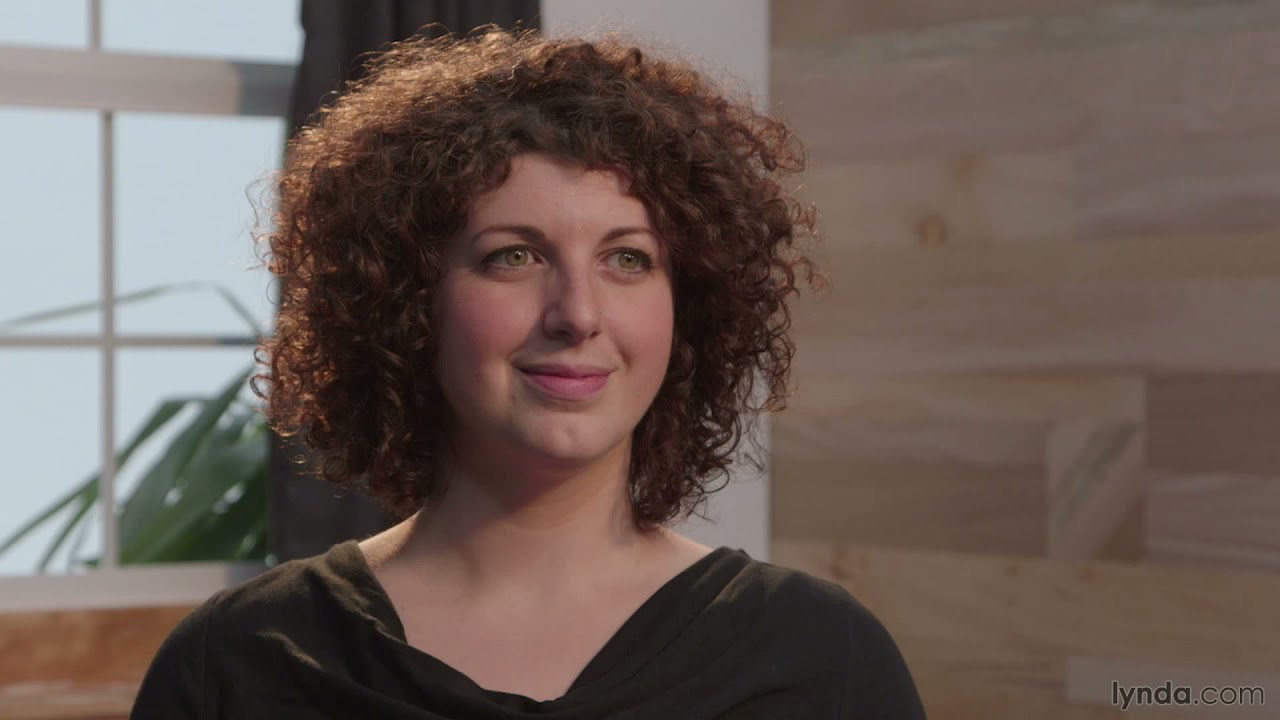
, the filler light helps soften the harsh shadows that the use of key and backlights create. Furthermore, the under lighting is when the main source of lighting comes from below the subject. Additionally the top lighting is when the main source of the lighting comes from above, highlighting the features. This i used to create a glamorous look. Also high key lighting and low key lighting. Low key lighting is created by using only the key and the back lights. This will produce a sharp contrast of light and dark areas of the screen to be very deep. However in high key lighting more filler lights are used , which makes the lighting more realistic.
.jpg)


Films use this to exaggerate or maybe give an illusions during the films. There are many different types of lighting. Firstly, the key light is the brightest and most influential. Secondly, the back light helps counteract the effect
, the filler light helps soften the harsh shadows that the use of key and backlights create. Furthermore, the under lighting is when the main source of lighting comes from below the subject. Additionally the top lighting is when the main source of the lighting comes from above, highlighting the features. This i used to create a glamorous look. Also high key lighting and low key lighting. Low key lighting is created by using only the key and the back lights. This will produce a sharp contrast of light and dark areas of the screen to be very deep. However in high key lighting more filler lights are used , which makes the lighting more realistic.
The standard lighting set-up looks like this:

Key Light: The brightest and most influential light.
Example:

Back Light: Helps counteract the effect of the key light or creates an outline or silhouette.
Example:

Filler Light: Helps to soften the harsh shadows the harsh that the use of key and back lights create. Example:

Friday, 6 January 2017
Preliminary Task
The story we were trying to deliver was that Ricky (Damola) was expecting cocaine from Gustavo (Patrick). Unfortunately, Gustavo did not have the cocaine, therefore, he was forced to leave, in the lead of his bodyguard (Stefan).
We used many different techniques such as: Eye line Match: We used this at the start of our short film. When there was a shot of Gustavo knocked on the door, there was another shot of me and Ricky looking towards the door. This creates more realism into our film as the audience knows what we are looking at.
Match-on-action: We used this after our Eye line Match. This is when we see a character start an action in one shot then continue it into the next shot. This is shown when Gustavo is entering the classroom by opening the door slightly from outside the classroom, then it quickly changes to another scene when Patrick is opening the door fully from the inside.
Shot/Reverse Shot: This is when the shot changes every time an action or speech occurs. This technique is very useful in conversations and arguments. We used this technique in a conversation between Gustavo and Ricky about the cocaine and the shot changes every time Gustavo or Ricky talks.
Sound Bridge: During my editing, I decided to use a sound bridge. This is when sound carries on from on scent to another.This was shown in my background music as it played throughout the short film.
180 degree rule: This is a basic guideline rule that states that the two characters in the same scene should always have the same left and right relationship to each other. We followed this guideline rule as during the conversation between Ricky and Gustavo, they both had the same right and left relationship.
Thursday, 5 January 2017
Shifty
Shifty is a British film that was made in 2008 under the Microwave Scheme that was funded by the UK Film Council(since replaced by the BFI).The aim of the scheme was to provide young London film makers with a platform to make a small independent film. However they had certain rules in order to make this film. Firstly, the had a budget of less than £100,000. Shifty was the second Microwave film to be released. Shifty opened in 51 small independent cinemas such as Curzon chain and on its opening weekend took £61,000. The final box takings were £143 ,000. Most of the film's came from DVD and television sales.

Shifty was distributed by Metronome. £50,000 was spent on making celluloid prints of the film, administration and advertising. They wanted to attract two types of audience. The first audience was a middle class audience that regularly sees small independent films at independent cinemas. In addition to that, they to attract a new, younger urban audience. Also, Shifty was very smart when it came to advertising. They ran adverts on pirate radio stations and used fly posters and gave out business cards which depicted Shifty as a drug dealer and directed the recipient to a website. There was also a music video on YouTube.
Shifty is a thriller that builds up slowly. There are three parts to the story, Firstly, Chris, a young man in his twenties decided to return home and visit a best friend, he has not seen for years. This causes an enigma to be set up. We the quickly learn that Shifty becomes a drug dealer. As he competes during the film, it gives us a realistic picture about urban life. The second part of the story shows that Trevor is concerned who is a drug addict and is desperate for drugs. The audience becomes more intrigued about his problem. Finally, the last part is when Shifty is placed in danger by Glen who lies and claims Shifty is changing his supplier. Shifty fears for his safety and the film builds towards a climax of tension.Overall, I enjoyed this thriller because it was based on our lives which made it exciting. This film was very effective as it had a build up of tension at the end when we didn't know how Shifty was going to get out of his situation, which for me was the best part. I would recommend this film to anyone that enjoys thrillers and is in thiller teenage age and understands our society.
Subscribe to:
Posts (Atom)